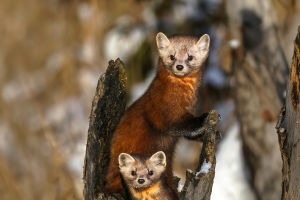
At a quiet pond, two birds move in near-perfect sync, adjusting their steps without a sound. Nearby, a group of mammals rests close together, touching just enough to stay connected.
These scenes don't look dramatic, yet they reveal something powerful. Bonding in animals isn't accidental or sentimental—it's built through repeated interactions, shared experiences, and trust over time.
Understanding how animals form close relationships helps explain cooperation, care, and survival across species.
Bonding Starts With Repeated Contact
Most animal relationships begin simply: being around the same individual again and again.
1. Familiar presence
Animals learn who is safe by regular exposure. Actionable step: when observing wildlife or cared-for animals, note how tolerance increases with repeated, calm encounters.
2. Predictable behavior
Consistency reduces uncertainty. Actionable step: look for patterns in daily routines that help individuals recognize one another.
3. Shared space
Proximity allows interaction to develop naturally. Actionable step: observe how animals choose resting or feeding spots near familiar partners.
Communication Builds Emotional Links
Bonding deepens when animals exchange signals they both understand.
1. Vocal signals
Specific sounds help individuals identify and locate each other. Actionable step: listen for unique calls that are only used within pairs or groups.
2. Body language
Posture, movement, and positioning convey intention. Actionable step: watch how relaxed body positions differ between bonded and unfamiliar animals.
3. Touch-based cues
Gentle contact reinforces trust. Actionable step: notice how light touches increase during calm moments rather than stressful ones.
Shared Activities Strengthen Relationships
Doing things together creates a stronger connection than simply being nearby.
1. Cooperative tasks
Working together builds reliance. Actionable step: observe group behaviors like coordinated movement or shared problem-solving.
2. Mutual care
Cleaning or tending behaviors reinforce bonds. Actionable step: note which individuals regularly care for each other versus those who don't.
3. Play behavior
Play allows safe interaction and learning. Actionable step: watch how play signals are exchanged to keep interactions friendly.
Early-Life Bonds Shape Future Behavior
Relationships formed early often influence social patterns later on.
1. Parental connections
Early care builds a foundation of trust. Actionable step: observe how young animals stay close to caregivers during unfamiliar situations.
2. Sibling familiarity
Growing up together encourages cooperation. Actionable step: track how siblings support each other during challenges.
3. Learning through observation
Young animals copy bonded adults. Actionable step: note how behaviors spread within closely connected groups.
Stress and Safety Affect Bonding Speed
The environment plays a big role in how quickly bonds form.
1. Safe surroundings
Calm settings allow trust to grow. Actionable step: compare interaction levels in quiet versus disturbed environments.
2. Shared challenges
Facing difficulty together can strengthen ties. Actionable step: observe how animals cluster more tightly during uncertain conditions.
3. Reduced competition
Lower tension supports bonding. Actionable step: notice how relationships improve when resources are sufficient.
Long-Term Bonds Improve Survival
Strong relationships aren't just social—they're practical.
1. Improved cooperation
Bonded animals coordinate more effectively. Actionable step: watch how familiar partners respond faster to each other's signals.
2. Emotional stability
Close relationships lower stress responses. Actionable step: observe calmer behavior when bonded individuals are nearby.
3. Group resilience
Connected groups adapt better to change. Actionable step: track how stable groups handle new situations compared to loosely connected ones.
Animal bonding isn't about grand gestures. It's built quietly through presence, patience, and shared experience. These relationships shape how animals move, rest, care, and respond to the world around them. When you start noticing the small signals—who stays close, who communicates gently, who works together—you begin to see a hidden social layer at work.
That layer doesn't just create connection; it helps animals navigate life with a little more stability and a lot more trust.