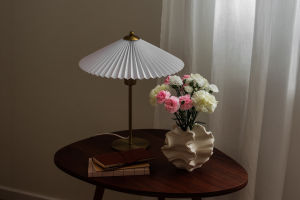
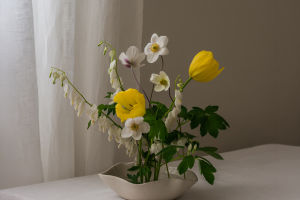
Have you ever walked into a room and felt instantly relaxed, energized, or even inspired? It's not just the furniture or the layout—it could be the flowers.
Floral arrangements do more than just add beauty to a space; they have a powerful connection to space psychology, influencing how we feel and behave. Understanding how flowers can affect your space is key to transforming your environment into a place that nurtures both your mind and mood.
Flowers as Mood Enhancers
It's no secret that the environment around us impacts our emotions. But what about the small, seemingly simple addition of flowers? Floral arrangements can do wonders in shaping the atmosphere of a room, and research supports the idea that flowers influence our psychological well-being.
Promoting Relaxation: Research has shown that flowers have a calming effect. Placing flowers in spaces like living rooms or bedrooms can create an atmosphere that promotes relaxation. Flowers like lavender or chamomile, known for their soothing properties, can enhance this effect.
Boosting Happiness: Flowers can uplift your mood simply by their presence. Bright, colorful flowers like sunflowers or daisies can add cheer to any space. Their vibrant hues stimulate the mind, fostering feelings of joy and positivity.
Reducing Stress: Studies show that floral arrangements in an office or home environment can reduce stress and anxiety. The natural elements of flowers create a sense of connection to nature, helping individuals feel grounded and at ease.
By strategically placing flowers in certain spaces, you can tailor the mood of a room to fit your needs, whether you're looking for tranquility, joy, or stress relief.
Creating a Sense of Harmony with Flowers
The psychological impact of flowers goes beyond their individual beauty; the arrangement and placement of flowers also play a significant role in how they shape your environment.
Balance and Symmetry: When arranging flowers, symmetry can create a sense of calm and order. A balanced bouquet placed in a central position, such as a coffee table or dining room, can bring harmony to the space. Symmetry is psychologically comforting, making the space feel more organized and peaceful.
Flow and Movement: Asymmetrical arrangements can introduce a dynamic, lively element to your space. Flowers with varying heights and shapes can guide the viewer's eye through a room, creating movement and visual interest. This can be particularly effective in larger spaces like entryways or foyers where you want to make an impact.
Contrast and Variety: Mixing different flowers, colors, and textures in an arrangement can create visual tension, which in turn, stimulates the brain. For example, pairing delicate tulips with bold sunflowers creates a striking contrast that energizes the space.
Using flowers to create balance and flow in a room is not just about aesthetics—it can have a profound effect on how we perceive the space. By manipulating the arrangement, you can craft an environment that fosters the exact mood you want.
Flowers and Color Psychology
Color plays a significant role in how flowers influence space psychology. Different colors evoke different emotional responses, so understanding how to use color in your floral arrangements can be a powerful tool in shaping your environment.
Warm Colors for Energy: Flowers in warm tones—such as red, orange, and yellow—have a stimulating effect. These colors are often associated with energy, passion, and creativity. Placing flowers like marigolds or tiger lilies in a home office or creative space can help ignite inspiration and productivity.
Cool Colors for Calm: On the other hand, cool colors like blue, green, and purple are linked to relaxation and calmness. Lavender, bluebells, or hydrangeas are perfect for bedrooms or meditation areas, where you want to foster a sense of serenity and peace.
Neutral Colors for Subtlety: White, beige, and soft pastels create an atmosphere of simplicity and elegance. White lilies or roses bring a clean, minimalistic feel to a space, making it feel open and uncluttered. These arrangements work well in areas where you want to promote focus and clarity, such as a study or reading nook.
Choosing the right colors for your flowers is more than just matching them to your decor. It's about understanding the emotions they can trigger and how they align with the intended function of each room.
The Role of Flowers in Personalizing a Space
While the impact of flowers on space psychology is significant, the way you incorporate them into your environment also helps express your personality and style.
Reflecting Personal Taste: The type of flowers you choose can say a lot about who you are. Are you drawn to vibrant, bold blooms or more delicate, understated flowers? Your choices reveal your preferences and can help transform a generic space into a personal sanctuary.
Symbolism in Flowers: Many flowers carry symbolic meanings. For example, roses are often seen as symbols of love, while orchids represent beauty and strength. Choosing flowers that hold personal significance can add an emotional depth to your space, making it feel even more meaningful and connected to your life.
Seasonal Flowers for Connection: Incorporating seasonal flowers allows you to stay connected to nature's cycles. Whether it's the bright tulips of spring or the rich chrysanthemums of fall, seasonal flowers offer a unique way to celebrate the changing seasons and infuse your space with a sense of time and place.
Flowers offer an opportunity to personalize your space, making it a true reflection of your tastes, values, and experiences.
Final Thoughts: More Than Just Decoration
Incorporating flowers into your space isn't just about adding a pop of color or a touch of beauty. It's about creating an environment that nurtures your well-being and supports your emotional needs. Whether you're looking to boost your mood, reduce stress, or simply create a harmonious atmosphere, flowers can have a profound impact on your space psychology. So next time you arrange a bouquet, think beyond the petals. Consider how they can enhance your space and reflect your unique personality.