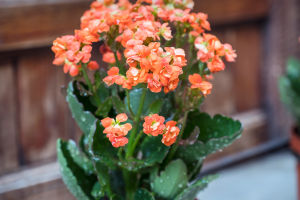
Watching a pond in the early morning, you might spot a delicate bud breaking the surface, slowly unfurling into a radiant lotus flower.
This transformation isn't just beautiful—it's a fascinating journey of growth, adaptation, and survival that unfolds day by day.
Understanding the life cycle of a lotus reveals the hidden complexity behind this seemingly simple bloom.
Seed Stage: The Beginning of Life
The journey starts with a small, hardy seed. Lotus seeds are known for their resilience, capable of remaining dormant for years until conditions are favorable. They settle into the soft mud at the bottom of a pond or water garden, waiting for warmth and moisture to trigger germination.
Tip: When planting lotus seeds at home, soak them in warm water for 24–48 hours and gently scar the seed coat to encourage sprouting. This mimics natural conditions where water softens the seed's tough exterior.
Example: Some seeds collected from wild ponds have sprouted after a decade of dormancy, demonstrating the lotus's unique adaptation for survival in fluctuating environments.
Germination and Root Growth
Once the seed awakens, it begins sending roots into the mud. These roots anchor the plant and absorb nutrients necessary for early growth. At this stage, the emerging plant focuses on establishing a strong foundation before producing leaves or stems above the water.
Step-by-step:
Place the sprouted seed in nutrient-rich mud or soil.
Ensure the water level covers the seed but allows sunlight to reach it.
Monitor for root extension, which can take several days to weeks.
Example: In controlled water gardens, healthy lotus roots can grow up to a foot in length within a month, providing stability and access to essential nutrients.
Leaf Development: Spreading Across Water
After roots establish, the lotus produces its first leaves, often starting below the surface before floating upwards. The leaves expand to maximize sunlight capture and provide shade for aquatic life below, showing the plant's ecological impact.
Tips: Regularly remove debris from the water to prevent leaf damage and allow them to fully open. Positioning your lotus in calm waters encourages broader, more vibrant leaves.
Example: A single lotus plant can produce dozens of leaves over a growing season, some reaching over a foot wide, creating a striking floating canopy.
Bud Formation: Preparing to Bloom
Once leaves are established, the lotus focuses on reproduction by forming buds. These buds gradually elongate above the water, often following subtle light cues to time the bloom for optimal pollination. At this stage, the plant stores energy in its underground rhizomes to support flower development.
Step-by-step:
Maintain steady water levels to prevent buds from submerging.
Ensure adequate sunlight exposure, as energy from leaves fuels bloom formation.
Avoid sudden temperature changes, which can slow bud growth.
Example: In late spring, a pond can host dozens of emerging lotus buds, each standing poised above the water surface, hinting at the blooms to come.
Flowering: From Bud to Bloom
The most iconic stage is flowering. Lotus blooms unfurl petal by petal, often opening in the morning and closing at night. Colors range from pale pink to deep magenta, and some flowers can grow over a foot across. This stage attracts pollinators like beetles and ensures seed production for the next cycle.
Tips: To prolong flowering, remove dead petals promptly and keep water clean. This allows the plant to focus energy on new blooms rather than repairing damage.
Example: In botanical gardens, a healthy lotus can produce multiple blooms over several weeks, with each flower lasting up to three days. Gardeners often record bloom times to predict peak flowering periods.
Seed Production and Dormancy
After blooming, lotus flowers produce seed pods that mature above the water. These seeds eventually drop into the mud, starting the cycle anew. This natural dormancy allows lotus populations to survive harsh winters and periods of drought.
Tip: Collect mature seeds from pods if you want to propagate lotus elsewhere. Dry them for a few days before planting or storing for future growth.
Example: A single mature lotus pod can contain dozens of seeds, ensuring that even if some fail to germinate, others will continue the lineage.
Observing a lotus from seed to bloom offers insight into patience, resilience, and the quiet power of nature. Each stage is a delicate balance of growth and adaptation, showing how this iconic flower thrives in its watery world. Next time you see a lotus on a calm pond, take a moment to appreciate the long journey that tiny seed undertook to become a stunning bloom.