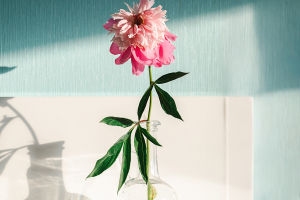
A yellow rose in a planter can light up a balcony like a small sunrise. The petals catch the light, the color feels cheerful, and for a moment, the whole space looks more alive.
Then a few weeks later, the leaves start to droop or turn pale, and you wonder what went wrong.
Potted yellow roses are stunning, but they're also more demanding than many houseplants. Because their roots are limited to a container, every detail—light, water, soil, feeding—matters more. Once you understand what they truly need, though, they'll reward you with repeat blooms and strong growth.
1. Give Them the Sun They Crave
Full sunlight
Good air flow
Stable warmth
Roses are sun lovers. For healthy growth and abundant blooms, a yellow rose grown in a container needs at least 6 hours of direct sunlight each day. Morning sun is especially valuable because it dries dew quickly and helps prevent fungal issues.
Place your planter in the brightest spot available—near a south- or west-facing balcony or patio. If you're growing indoors, position it right next to a sunny window. Rotate the container every week so all sides receive even light and the plant grows upright instead of leaning.
Air circulation is just as important. Stagnant air can encourage mildew. Avoid crowding your rose against walls or other plants.
Actionable example: Track sunlight for one full day. Notice where the strongest light hits for at least six hours, then move your rose there. Small shifts in placement can dramatically improve blooming.
2. Water Deeply, Not Frequently
Deep soaking
Consistent moisture
No waterlogging
Container-grown roses dry out faster than garden-planted ones. However, frequent shallow watering weakens roots. Instead, water thoroughly until you see moisture draining from the bottom of the container. This ensures water reaches the entire root system.
Check soil before watering. Insert your finger about 2 inches into the soil. If it feels dry at that depth, it's time to water. If it's still moist, wait a day or two.
Make sure your planter has drainage holes. Roses dislike sitting in standing water, which can cause root rot.
Actionable example: Water slowly in two rounds. Pour half the water, wait a minute, then pour the rest. This prevents runoff and helps the soil absorb moisture evenly.
3. Choose the Right Soil and Planter
Well-draining mix
Spacious container
Healthy roots
Roses prefer rich, well-draining soil. A high-quality potting mix formulated for flowering plants works well. Avoid using garden soil alone in containers—it compacts easily and drains poorly.
The planter size matters more than many people realize. For a standard rose plant, choose a container at least 16–18 inches wide and deep. Smaller containers restrict root growth and lead to weak blooms.
Repot every 1–2 years if roots begin circling the bottom. Gently loosen compacted roots when transplanting to encourage outward growth.
Actionable example: When transferring to a larger container, add a thin layer of coarse material like small stones at the base for extra drainage, then fill with fresh potting mix. This simple step reduces excess moisture buildup.
4. Feed for Strong Blooms
Balanced nutrients
Regular schedule
Bloom support
Roses are heavy feeders. In a container, nutrients wash out faster with watering, so consistent feeding is essential.
Use a balanced fertilizer designed for flowering plants. During active growth (spring through early fall), feed every 2–4 weeks according to label instructions. Stop feeding about six weeks before the first expected frost in cooler climates to allow the plant to adjust naturally.
Yellow roses, like all roses, benefit from nutrients that support flower production, especially phosphorus.
Actionable example: Set a calendar reminder every three weeks during the growing season. Consistency makes a visible difference in bloom size and color intensity.
5. Prune and Watch for Problems
Clean cuts
Remove dead growth
Early pest control
Pruning encourages new growth and better airflow. Use clean, sharp pruners and cut just above an outward-facing leaf node. Remove any dead, damaged, or crossing stems.
Deadheading—removing spent blooms—helps redirect energy into new flowers. Simply cut the faded flower stem down to the first set of healthy leaves with five leaflets.
Keep an eye out for common pests like aphids or spider mites. Inspect the undersides of leaves weekly. Early detection makes treatment much easier.
Actionable example: After each bloom fades, remove it promptly. Over time, you'll notice quicker repeat flowering compared to leaving old blooms in place.
Caring for a yellow rose in a planter isn't about perfection. It's about attention. A little extra sunlight, deeper watering, timely feeding—these small actions add up. When the next flush of bright yellow petals opens, you'll know it wasn't luck. It was steady care. And that makes every bloom feel earned.