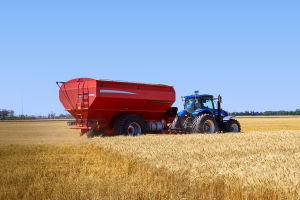
A handful of wheat grains doesn't look like much.
They're small, pale, and easy to overlook when scattered across a table.
Yet those tiny kernels carry thousands of years of human effort, quiet scientific progress, and daily usefulness that reaches far beyond the field. The more closely you look at wheat, the more surprising details begin to appear.
Wheat changed how people settled
Stable harvests, stored food, growing communities
Long before modern cities, wheat helped shape where people lived and how they organized daily life. Unlike wild plants that had to be gathered constantly, wheat could be planted, harvested, and stored for later use.
1. Wheat grains dry naturally after harvest, which allows them to be stored for months without spoiling when kept in a cool, dry place.
2. Reliable storage meant families didn't need to search for food every day, giving them time to build homes, tools, and shared spaces.
3. Fields planted in regular cycles encouraged cooperation, since planting and harvesting often required many hands working together.
You can see this influence even today. Visit a rural farming museum or historical village, and you'll often find storage jars or woven containers designed specifically to keep grain safe from moisture. Those simple containers quietly supported the growth of entire communities.
The science hidden inside a grain
Protective layers, energy storage, new plant potential
Each wheat kernel is actually a carefully designed biological package. What looks plain on the outside contains structures that help the next plant survive and grow.
1. The outer bran layer protects the seed from physical damage and drying.
2. The inner endosperm stores starch, which fuels the young plant during early growth before leaves can gather sunlight.
3. The tiny germ holds the living embryo that can sprout into a new wheat plant when conditions are right.
A simple way to observe this is by soaking a few whole wheat kernels in water overnight and placing them on a damp paper surface. Within days, a small root and shoot may appear, revealing how much life was hidden inside something that first looked inactive.
Different types for different uses
Soft texture, firm structure, unique cooking results
Not all wheat behaves the same in the kitchen or in processing. Varieties differ in protein content, grain hardness, and how they respond to grinding or mixing.
1. Softer wheat varieties usually produce finer flour that works well for tender baked goods with a light crumb.
2. Harder wheat contains more protein, helping dough hold its shape and stretch without tearing.
3. Some traditional varieties grow taller or adapt better to dry weather, showing how plant breeding balances flavor, strength, and resilience.
An easy experiment at home is to compare two types of flour in simple flatbread. Mix each with the same amount of water and notice how one dough stretches smoothly while the other feels softer and more delicate. That difference begins in the grain itself.
Wheat's quiet role in soil health
Root networks, ground cover, crop rotation support
Beyond food, wheat contributes to the long-term condition of farmland. Farmers often include it in rotation cycles to keep soil productive.
1. Wheat roots form fine branching networks that help hold soil in place and reduce erosion from wind or rain.
2. After harvest, leftover plant material can return organic matter to the ground as it breaks down.
3. Rotating wheat with other crops interrupts pest and disease cycles, lowering the need for strong treatments.
If you walk through a recently harvested field, you might notice short straw pieces covering the surface. That layer isn't waste—it slowly improves soil texture and moisture balance for the next planting season.
Everyday products beyond the obvious
Food staples, natural materials, useful by-products
Most people connect wheat with bread or noodles, but its usefulness extends further into daily life.
1. Wheat starch appears in sauces, paper coatings, and some biodegradable packaging because it forms smooth, stable films.
2. Straw left after threshing can become animal bedding, woven crafts, or garden mulch that helps retain moisture.
3. Wheat bran is sometimes added to breakfast foods for extra fiber and texture.
Try a small garden test: spread a thin layer of clean straw around young plants. You may notice the soil stays damp longer and weeds appear more slowly, showing how a simple by-product becomes a practical tool.
Wheat's story isn't loud or dramatic. It unfolds in steady seasons, quiet storage rooms, and ordinary kitchens where flour turns into something warm and familiar. Paying attention to a single grain reveals patience, adaptation, and usefulness woven together over generations. The next time you see wheat swaying in a field or resting in a bowl of grain, it may feel less like a simple crop and more like a small record of how careful effort can shape everyday life.